Explore a field
Airlines and flight operations
Flight operations connects the aircraft crew with the planning, coordination and support that make an operator’s flying activity possible.
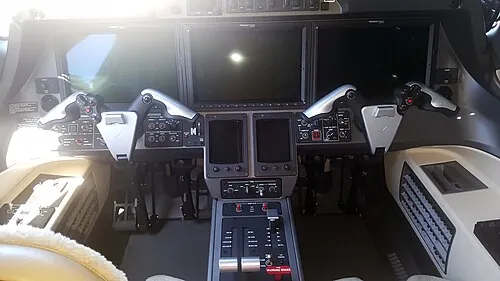
What you’ll understand
- Trace the main teams behind a flight and distinguish their responsibilities.
Before you start: Start here; no specialist background is assumed.
Where this fits
A passenger sees only a small part of an operator’s work. Behind one departure are people coordinating aircraft, crews, technical information, passengers and cargo. This field includes scheduled airlines and other operator models; the organization and legal responsibilities are not identical everywhere.
Work areas at a glance
- Flight crew and cabin crew
- Dispatch and operations control
- Crew planning and load control
- Operator types and support networks
Flight crew and cabin crew
Pilots operate the aircraft within their roles and approvals. Cabin crew combine service with cabin-safety work. Their responsibilities complement each other; one title does not substitute for the training or authority of another. Communication links the flight deck, cabin and ground teams.
Dispatch and operations control
Dispatch or flight-operations personnel support planning and monitoring. An operations control centre (OCC) brings information together across an operator’s activity. Weather, aircraft availability and disruption can affect more than one flight. Operational coordination is distinct from air traffic control.
Crew planning and load control
Crew planning connects people with schedules and the applicable organizational constraints. Load control concerns information about a load and its distribution. Both interfaces require accuracy and clear handovers, but this introduction provides neither scheduling rules nor load calculations.
Operator types and support networks
Passenger airlines, cargo operators and other aviation organizations can arrange their resources differently. Some functions are internal and others supplied through service partners. Following the work and its responsibility is more useful than assuming that every airport worker is employed by the airline.
Connections across aviation
- Air navigation and aviation weather — Air navigation and weather services supply information and services used by operators.
- Airports and ground services — Ground teams connect the aircraft with airport services and passengers.
- Aircraft design manufacturing and airworthiness — Technical status and continuing-airworthiness work connect maintenance with operations.
Illustrative, non-operational example
Illustration only — not instructions.
A fictional aircraft change affects crew coordination, ground preparation and customer communication. Map the handovers rather than deciding how the flight should be operated.
Common confusions
Every operations employee has the same authority.
Titles and permissions depend on the function, operator and jurisdiction.
Scope and limitations
Orientation only: not dispatch, flight, cabin or load-control instructions. Verify licensing and operational-control responsibilities with the competent authority and employer.
People doing this work
Useful terms
Read next
Sources and official next step
- IATA subject areas — Industry subject scope; not binding law
- FAA Aviation Careers — US authority role examples only