Aerospace systems design engineer — employer requirements guide
On this page — jump to a section
Systems design engineers connect requirements, interfaces and evidence across an aircraft system. The examples focus on environmental/pneumatic systems, not every aerospace specialty. Their task is to make the design demonstrably coherent across teams, rather than service an installed system as a maintenance technician.
Educational reference · 27 October 2026. Educational reference — verify current requirements with the relevant authority. This is not a qualification, admission decision or operational publication.
Job-specific employer examples below are separate from the broad sector guides. They are selected evidence, not an application service, a live vacancy feed, worldwide eligibility rules or an assessment of your circumstances.
Specific employer examples
2
Supporting employer context sources
0
Evidence last checked
2026-10-27
Countries / scope represented
Canada; United States
Legal / licensing applicability
unresolved
Reference status
Educational reference — verify current requirements with the relevant authority.
Where employers use this role
Aircraft manufacturer
Systems engineering
What the work involves
Define and manage system requirements and interfaces. [EMP1, EMP2]
Develop models and verification evidence. [EMP1, EMP2]
Coordinate suppliers, design changes and production/test support. [EMP1, EMP2]
Work settings
Dorval engineering-office work and Boeing’s North Charleston environmental-control-system team; coordination may involve suppliers, laboratories and production.
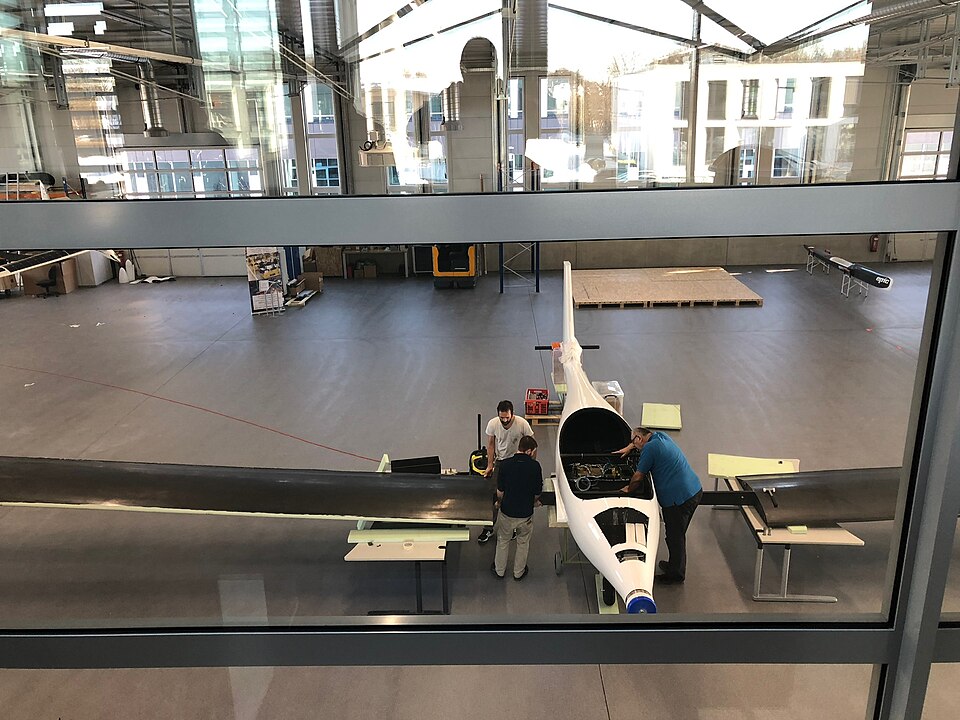
Illustrative photo. Several people work around an open aircraft fuselage while its wings rest on supports. The scene illustrates assembly access to the airframe before the exterior is closed.
Illustrative role/sector context. This does not depict or verify the employers, vacancies, qualifications or countries discussed below.
Actual employer examples — keep each country and notice separate
Essential, desirable and other conditions retain the author’s source classification. An empty category means no separate requirement was established in the reviewed source, not that employers have no requirements. Historical or closed notices are examples, not current vacancies.
[EMP1] Bombardier — Professional Engineering - Air Systems/Pneumatics
Mentoring, aerospace, verification, certification and environmental-systems experience.
Other stated conditions
Export-control eligibility and no visa sponsorship stated.
Duties supported by this example
Requirements, analysis models and supplier integration.
One employer and role; not a worldwide entry rule.
Official legal, licensing and occupational context
Employer preferences are not automatically law. Official guidance and occupational descriptions are not necessarily binding rules. Each source’s jurisdiction, scope and gaps below remain separate.
United States occupational guidance
BLS distinguishes entry-level aerospace engineering from state professional-engineering licensure; no aircraft approval privilege follows from this guide.
Not an engineering board ruling or an aircraft design approval.
Unresolved research and applicability
Canadian engineering registration and design-authority applicability remain unresolved; the US occupational statement is not transferred to Canada.
Explore a possible entry route
Select an initial system domain and strengthen the relevant engineering fundamentals, rather than treating systems engineering as software proficiency alone.
Practise requirements writing, interface description and model limitations through non-operational projects.
Compare graduate and experienced openings; investigate Canadian professional-title rules separately from US examples.
Learning exercises — not proof of professional competence
Write five testable requirements for a fictional room-temperature monitor and connect each to a safe simulated verification activity.
Draw an interface map for a household study project, marking units, assumptions, ownership and unanswered questions.
Preparation prompts — not reported interview questions
How would you distinguish validation of a requirement from verification of a design?
What would you do when two suppliers assume different interface conditions?
Progression to investigate
Domain specialisation, systems integration or technical leadership may follow experience; organisational approval or signatory roles require separate review.
Scope and review limits
Educational reference — verify current requirements with the relevant authority.
Job-specific and country-specific conditions are not worldwide eligibility rules.
Requirements shown are selected examples, not complete application checklists. A visible listing is not a guarantee that recruitment remains open.
Exercises use invented, non-operational material; do not inspect, modify, repair, test or release real aircraft or components.
AI-assisted educational preparation. Source availability and hiring conditions can change. No personal data is collected, no application is sent, and no employment or eligibility outcome is promised.