Structures design engineers define the aircraft’s load-carrying physical arrangement and provide controlled engineering information to other teams. They work with analysis, manufacturing and suppliers; they are not interchangeable with technicians who perform repairs or assemblers who build to an approved definition.
Educational reference · 27 October 2026. Educational reference — verify current requirements with the relevant authority. This is not a qualification, admission decision or operational publication.
Job-specific employer examples below are separate from the broad sector guides. They are selected evidence, not an application service, a live vacancy feed, worldwide eligibility rules or an assessment of your circumstances.
Specific employer examples
1
Supporting employer context sources
0
Evidence last checked
2026-10-27
Countries / scope represented
United States
Legal / licensing applicability
checked for stated scope
Reference status
Educational reference — verify current requirements with the relevant authority.
Where employers use this role
Commercial-aircraft manufacturer
Airframe engineering
What the work involves
Develop structural requirements and controlled design definition. [EMP1]
Integrate analytical/test evidence against requirements. [EMP1]
Coordinate supplier, production and engineering interfaces. [EMP1]
Work settings
Boeing’s North Charleston wing-and-empennage example is an onsite mid-level engineering role.
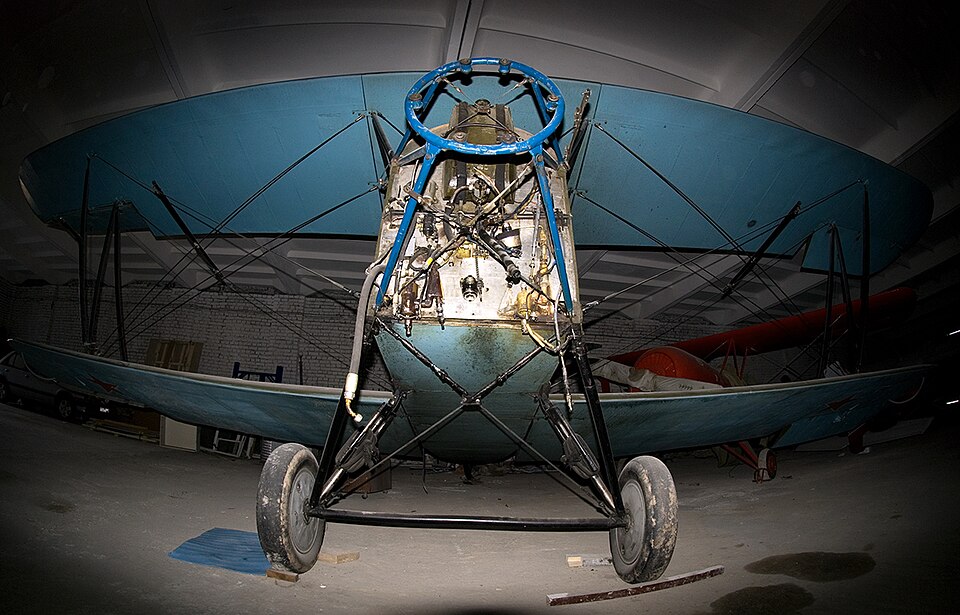
Illustrative photo. The uncovered front of an indoor biplane reveals its supporting framework above the landing gear. Unlike a finished aircraft exterior, the open structure makes the arrangement of components visible.
Illustrative role/sector context. This does not depict or verify the employers, vacancies, qualifications or countries discussed below.
Actual employer examples — keep each country and notice separate
Essential, desirable and other conditions retain the author’s source classification. An empty category means no separate requirement was established in the reviewed source, not that employers have no requirements. Historical or closed notices are examples, not current vacancies.
Explicit Basic Qualifications and Preferred Qualifications headings.
Employer essential requirements
Relevant engineering BSc; five-plus years of related work or permitted education/experience combination.
Aircraft structural-design experience, composite-design experience and manufacturing/production exposure.
Employer desirable requirements
Wing/empennage experience; CATIA/model-based definition; composite primary-structure and regulatory knowledge.
Other stated conditions
No separate items established in this reviewed source.
Duties supported by this example
Requirements, design definition, verification and supplier coordination.
One employer and role; not a worldwide entry rule.
Official legal, licensing and occupational context
Employer preferences are not automatically law. Official guidance and occupational descriptions are not necessarily binding rules. Each source’s jurisdiction, scope and gaps below remain separate.
United States — occupational distinction
BLS says entry-level aerospace engineering does not require licensure. This does not confer design approval, delegation or maintenance-certification privileges.
Not an engineering board ruling or an aircraft design approval.
Unresolved research and applicability
Only one independent employer was fully verified for the precise structures-design scope.
State-specific professional-engineering and delegated approval rules are outside this guide.
Explore a possible entry route
Build mathematics, mechanics and engineering-drawing foundations; compare relevant degree courses and accredited pathways in your jurisdiction.
Seek projects or placements that connect design assumptions with analysis and manufacturing feedback, rather than collecting software screenshots alone.
Compare graduate openings separately from this mid-level example, recording any experience and work-authorisation gaps.
Learning exercises — not proof of professional competence
Model a non-flight desk organiser and write a requirements-to-drawing traceability sheet, including one controlled design change.
Explain an elementary textbook beam problem with assumptions, units and limitations; do not propose an aircraft design or repair.
Preparation prompts — not reported interview questions
How would you handle disagreement between the model and the requirements?
What evidence would you need before accepting a supplier’s proposed design change?
Progression to investigate
Specialist airframe design, integration or technical leadership are possible directions; delegated signatory responsibility is a separate assessment.
Scope and review limits
Educational reference — verify current requirements with the relevant authority.
Job-specific and country-specific conditions are not worldwide eligibility rules.
Requirements shown are selected examples, not complete application checklists. A visible listing is not a guarantee that recruitment remains open.
Exercises use invented, non-operational material; do not inspect, modify, repair, test or release real aircraft or components.
AI-assisted educational preparation. Source availability and hiring conditions can change. No personal data is collected, no application is sent, and no employment or eligibility outcome is promised.