This technical specialist evaluates navigation and related CNS service performance using flight-inspection equipment and evidence. The role is different from the pilot flying the inspection aircraft, from aircraft airworthiness inspection and from a general flight-test engineer. Titles differ by organisation; the verified Philippine example is Senior CNS Flight Inspector.
Educational reference · 27 October 2026. Educational reference — verify current requirements with the relevant authority. This is not a qualification, admission decision or operational publication.
Job-specific employer examples below are separate from the broad sector guides. They are selected evidence, not an application service, a live vacancy feed, worldwide eligibility rules or an assessment of your circumstances.
Specific employer examples
1
Supporting employer context sources
0
Evidence last checked
2026-10-27
Countries / scope represented
Philippines
Legal / licensing applicability
checked for stated scope
Reference status
Educational reference — verify current requirements with the relevant authority.
Related job titles and aliases
CNS flight inspector
Flight inspection mission specialist
Titles vary between employers; an alias does not make qualifications or duties interchangeable.
Where employers use this role
Air navigation service provider
Civil aviation authority flight-inspection unit
Specialist flight-inspection service provider
What the work involves
Support technical verification during flight-inspection work.
Review measurement evidence and record findings.
Coordinate with the inspection team and service stakeholders.
Maintain traceable technical reports within authorised procedures.
Work settings
Specialist aircraft mission stations, technical offices and inspection programmes; assignment and travel arrangements vary.
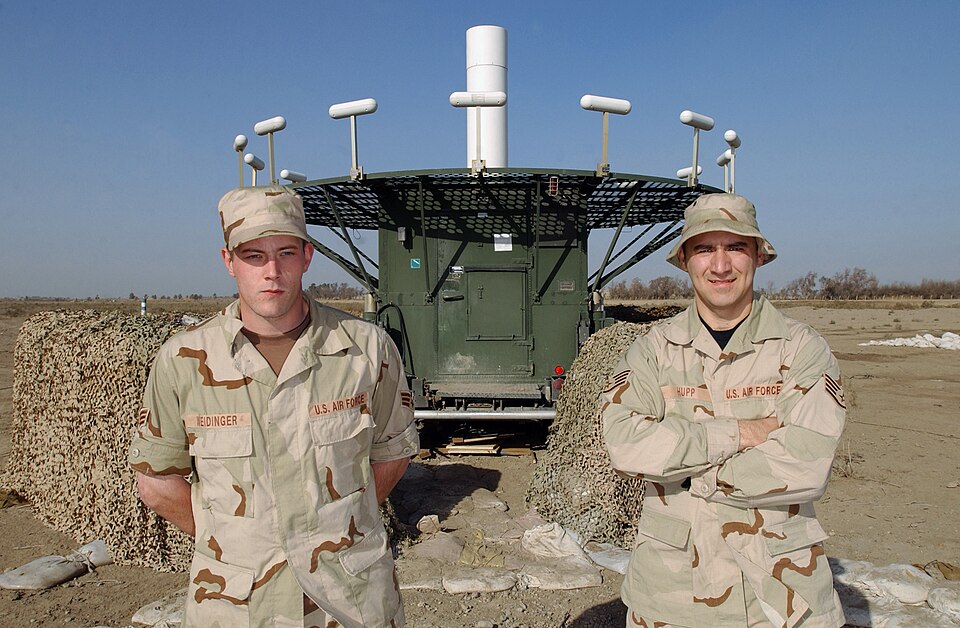
Illustrative photo. Two uniformed technicians stand before a raised circular antenna ring and a green equipment shelter. Navigation services depend on ground equipment and the specialists who maintain it, not only on instruments carried aboard aircraft.
Illustrative role/sector context. This does not depict or verify the employers, vacancies, qualifications or countries discussed below.
Actual employer examples — keep each country and notice separate
Essential, desirable and other conditions retain the author’s source classification. An empty category means no separate requirement was established in the reviewed source, not that employers have no requirements. Historical or closed notices are examples, not current vacancies.
[EMP1] Civil Aviation Authority of the Philippines — Senior CNS Flight Inspector, position 0129
Qualification Standards columns: education, training, experience and eligibility.
Employer essential requirements
Bachelor degree in a listed engineering discipline.
One specified air-navigation technical/flight-inspection training route plus two listed equipment courses.
Six years relevant air-navigation experience and two years CNS flight-inspection experience.
Career Service Professional or appropriate second-level eligibility.
Employer desirable requirements
No separate items established in this reviewed source.
Other stated conditions
Senior post; do not import the adjacent pilot vacancy’s flight-hour or pilot-licence requirements.
Duties supported by this example
Assignment to Flight Inspection and Calibration Group; bulletin is a qualification table, not a full duties statement.
One employer and role, not worldwide eligibility. Closed or undated examples do not establish current hiring.
Official legal, licensing and occupational context
Employer preferences are not automatically law. Official guidance and occupational descriptions are not necessarily binding rules. Each source’s jurisdiction, scope and gaps below remain separate.
Philippines — named recruitment standard
The employer bulletin sets qualifications for position 0129. It does not establish a worldwide personal flight-inspection-engineer licence; the adjacent pilot position has separate requirements.
United States — role boundary
FAA describes mission specialists as technical crewmembers working with flight-inspection equipment. This does not make their duties interchangeable with those of inspection pilots.
Specific mission-specialist description distinguishes airborne technical inspection from piloting.
Limitations
Role explanation only; not the Philippine qualification standard or a universal licence.
Unresolved research and applicability
One employer qualification example is verified. Full Philippine operational-authorisation rules and equivalent junior routes remain outside this limited review.
Explore a possible entry route
Start by clarifying the career you mean. CNS signal inspection, aircraft inspection and flight testing are not synonyms, even when a search result uses similar words. Match the role to its service and equipment, then compare the actual employer criteria.
Investigate electronics, engineering or relevant technical education alongside the target organisation’s specialist pathway. The Philippine example is a senior appointment and is not an appropriate universal checklist for someone’s first aviation job.
Map academic study, equipment knowledge, inspection-specific training and supervised competence as separate evidence categories. Ask which prior training transfers and which local assessment is still required; a course title alone does not answer that question.
Before committing to a programme, verify whether it prepares people for piloting or for the technical mission role. Avoid providers claiming that one short certificate qualifies you to perform both functions worldwide.
Learning exercises — not proof of professional competence
Create a fictional measurement report with an objective, data source, units, uncertainty and conclusion. Include a clear statement of what the evidence cannot establish. Use invented values, not real navigation-aid acceptance limits or operational calculations.
Practise a handover between two members of a classroom project: what has been checked, what is outstanding, and who has authority to decide next steps. The exercise should demonstrate clarity, not simulate a real inspection approval.
Make a vocabulary comparison of flight inspection, calibration, aircraft maintenance and flight testing using public sources. Keep separate columns for the object being assessed and the personnel involved.
Preparation prompts — not reported interview questions
Prepare a real example of accurate technical recording or investigating inconsistent measurements. Explain when you sought review rather than adjusting results to fit expectations.
Ask about initial mission training, supervised duties, equipment scope, continuing competence and travel arrangements. Do not claim flight-inspection authority or pilot privileges you do not hold.
Progression to investigate
Potential adjacent directions include CNS technical assurance, inspection programme coordination or specialist instruction. Piloting requires its own route; technical inspection experience does not automatically confer flight-crew credentials.
Scope and review limits
Educational requirements guide, not operational instructions, professional approval or an employment guarantee. Educational reference — verify current requirements with the relevant authority.
Examples are selective and date-specific. Check the full current vacancy and competent authority before choosing paid training or assessing eligibility. No personal medical, nationality or immigration assessment is made here.
AI-assisted educational preparation. Source availability and hiring conditions can change. No personal data is collected, no application is sent, and no employment or eligibility outcome is promised.